


Inclusive Mentorship
A yearlong mentorship program teaches leadership and independent living skills to young disabled women.
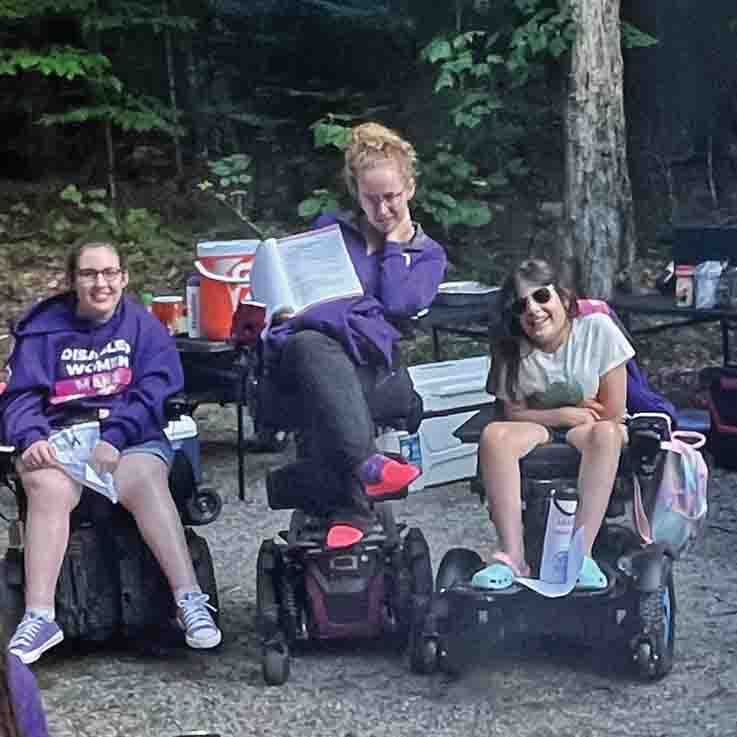
A yearlong mentorship program teaches leadership and independent living skills to young disabled women.
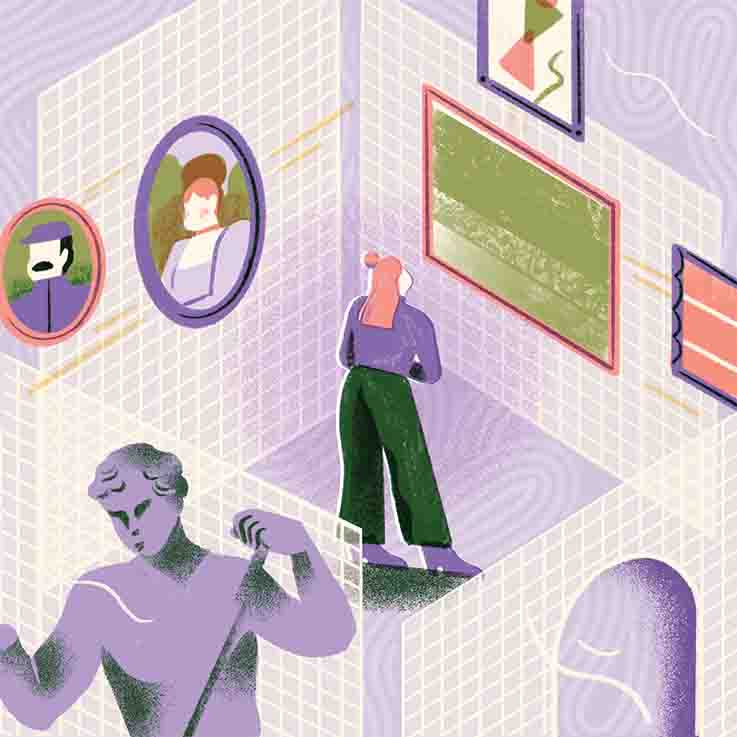
The Barnes Foundation is using digital tools to grow its educational mission and reach new audiences.
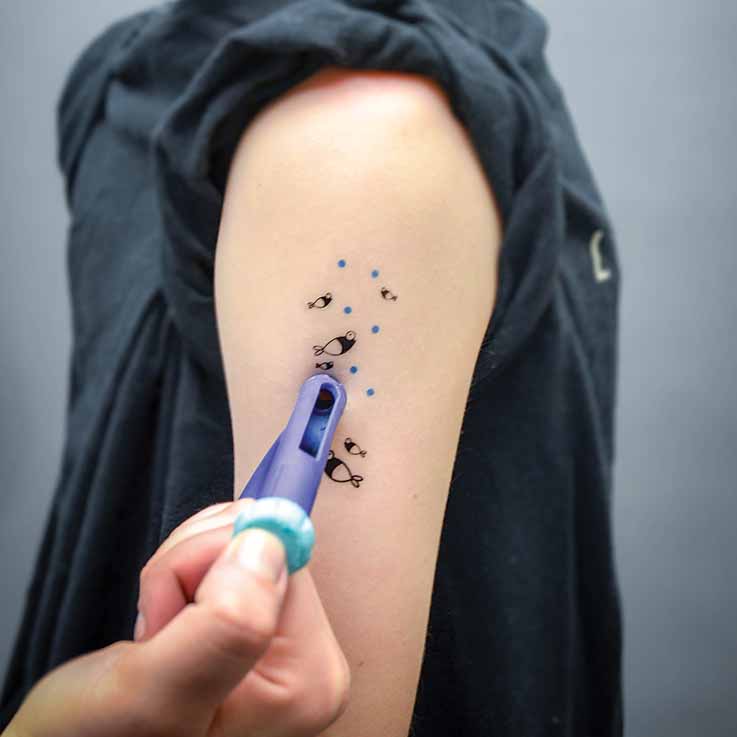
Thumy’s insulin kit helps children feel confident and comfortable administering their own medication.

charity: water’s sensor technology guarantees that potable water flows continuously to communities in need.

A change-management program on human resources development aimed at mid-career professionals is helping African companies expand.
MAXLab designs simulations to examine how crime occurs and to imagine preventive measures to keep communities safe.

Tulsa is piloting a new model to measure its growth, hoping other cities will follow suit.

Managers often communicate less than they should, giving employees the impression that they lack empathy.
People who receive help earlier in a task feel better about the aid than those who receive it toward the end.

Certification helps legitimize nonprofits and boosts their fundraising, even in authoritarian contexts.